After Blanca's father died, during her childhood
The Emperor's Consolation
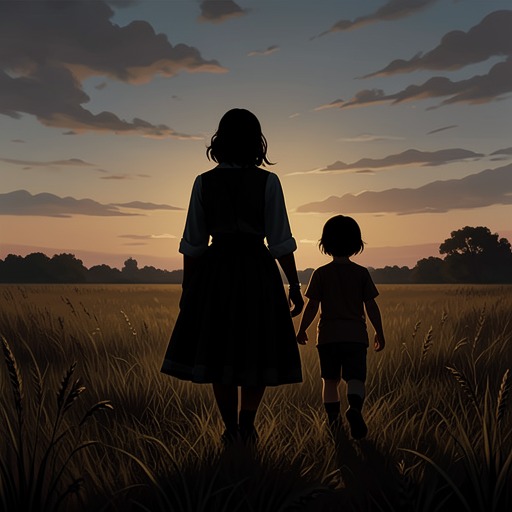
After her father's death, [Blanca's mother](entity:character-recall-character-5897c83d6d32) comforted her with a story about an emperor who asked the wise for a sentence that would hold true in every circumstance. Their answer was that this, too, would pass; her mother added that grief passes, as joy does.
Blanca's childhood and youth
The Cadaqués Summers
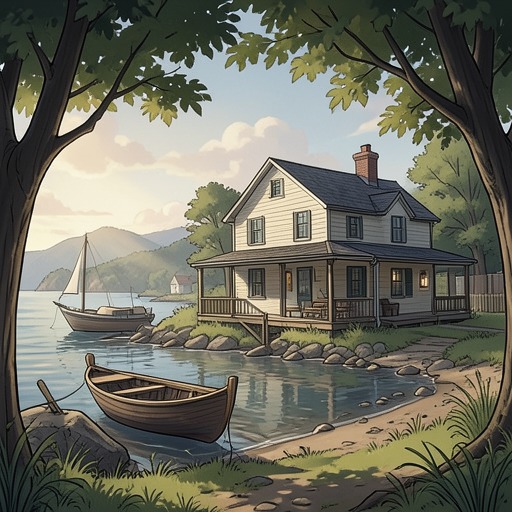
[Blanca](entity:character-recall-character-035753a86e68) grew up spending summers with her family in [Cadaqués](entity:location-recall-location-cadaqu-s-a8f40c66a121), amid long meals, boat trips, swimming, card games, and a house open to a shifting circle of friends. The place became a repository of family life, freedom, and the early sense that the world belonged to her.
When Blanca was seventeen
Her Father's Death
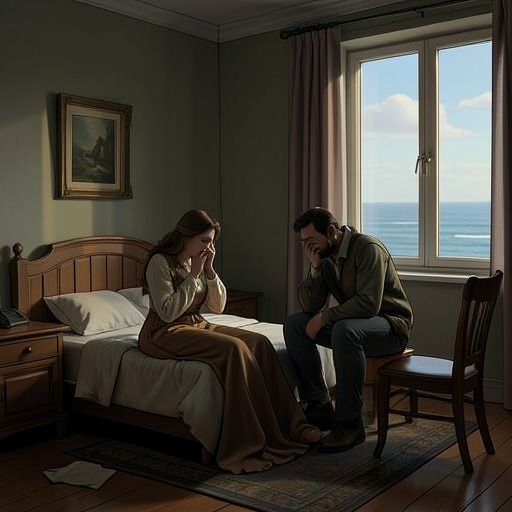
[Blanca's father](entity:character-recall-character-b3613b9fe826) died of cancer when she was seventeen. Her mother later told her that his death had not been as serene as [Blanca](entity:character-recall-character-035753a86e68) imagined, leaving her with a painful uncertainty about what he endured at the end.
A few years before Blanca's mother died
Marisa's Death
[Marisa](entity:character-recall-character-8d87aaf39aec), the family's beloved caregiver and a second mother to [Blanca](entity:character-recall-character-035753a86e68), died suddenly of a heart attack. Blanca and Marisa had planned to travel to Rome together and for Marisa to teach her how to cook, but the plans were left unrealized.
About two years after Marisa's death
Elenita's Last Visit
When [Blanca](entity:character-recall-character-035753a86e68) last saw Elenita, [Marisa](entity:character-recall-character-8d87aaf39aec)'s daughter, Elenita was gravely ill with cancer and wore one of her mother's old floral robes. The sight joined an earlier memory of a schoolmate wearing her dead father's socks, and made loss feel like a chain passing from one generation to the next.
During the two years before her death
The Mother's Decline
[Blanca's mother](entity:character-recall-character-5897c83d6d32) developed Parkinson's disease and dementia, and her decline gradually dismantled the brilliant, forceful person [Blanca](entity:character-recall-character-035753a86e68) remembered. As the illness advanced, her mother became fearful, combative, and increasingly dependent on care, while Blanca struggled to help without being consumed by the crisis.
During the mother's final years
The Closed Doors
As her mother's illness worsened, the once-open [Cadaqués home](entity:object-recall-object-cadaqu-s-f24ddf7043bc) began to close itself off from visitors and from the ease that had defined its summers. [Blanca](entity:character-recall-character-035753a86e68) kept returning even when the old routines had become painful, watching the house and its owner grow frailer together.
In the months before the mother's final hospitalization
The Care Home Struggle
[Blanca's mother](entity:character-recall-character-5897c83d6d32) resisted the care she needed and was eventually expelled from one residence after her illness overwhelmed her ability to live there safely. [Blanca](entity:character-recall-character-035753a86e68) saw how the disease had altered her mother's judgment and behavior, and how little either of them could do to restore the life they had known.
Before the mother's final hospitalization
The Unfinished Journey
[Blanca's mother](entity:character-recall-character-5897c83d6d32) wanted to travel to Florence with her and [Edgar](entity:character-recall-character-4affd160fbe8), but [Blanca](entity:character-recall-character-035753a86e68) feared she could not manage both the trip and her mother's worsening condition. Her mother accused her of spoiling everything, and the journey never happened as illness and hospital emergencies took over.
A few months before the mother's death
The Last Farewell
During a quiet visit at home, [Blanca's mother](entity:character-recall-character-5897c83d6d32) told her, without looking at her, that it had been an honor to know her. [Blanca](entity:character-recall-character-035753a86e68) asked her to repeat it, then laughed it off as the two soon fell back into their familiar arguments.
The night before the mother's death
The Final Hospital Night
[Blanca](entity:character-recall-character-035753a86e68) spent the day at the hospital holding her mother's hand. When a doctor said her mother seemed better, despite signs that she was not, Blanca went home to sleep, leaving her mother alone for the final night.
The morning after the final hospital night
The Mother's Death
[Blanca's mother](entity:character-recall-character-5897c83d6d32) died while [Blanca](entity:character-recall-character-035753a86e68) was away. Blanca later wished she had been beside her at the end, and understood that the loss would remain part of her life rather than simply vanish with time.
Two days after the mother's death
The Funeral in Port Lligat
[Blanca's mother](entity:character-recall-character-5897c83d6d32) was buried in the cemetery at [Port Lligat](entity:location-recall-location-port-lligat-3c6ba51de9e0), in a brief, almost wordless ceremony under punishing heat. There were no prayers, poems, flowers, or music, in keeping with her mother's ban on funeral recitations; the only spoken words came from an elderly worker struggling with the coffin.
Before the funeral
Patum Stays Behind
[Blanca](entity:character-recall-character-035753a86e68) decided not to bury [Patum](entity:character-recall-character-a950810c4965) with her mother, despite her mother's insistence that the dog would have no life without her. Patum attended the funeral instead, wearing a black ribbon and sitting solemnly beside [Guillem](entity:character-recall-character-fc11e03c9ed3).
At the mother's funeral
The Stranger at the Funeral
Among the mourners, [Blanca](entity:character-recall-character-035753a86e68) noticed an attractive stranger beside a woman and wondered whether he knew her mother or might approach her. He did neither, but his presence stayed in her mind as an improbable opening onto life amid the funeral's finality.
The morning after the funeral
Óscar After the Funeral
[Blanca](entity:character-recall-character-035753a86e68) woke beside [Óscar](entity:character-recall-character-496e005cccbc), her former partner, after they had spent the night together. Their familiar sexual pull briefly quieted her grief, but his tenderness and concern made her feel exposed rather than comforted.
In the days after the funeral
The Cadaqués Decision
[Óscar](entity:character-recall-character-496e005cccbc) urged [Blanca](entity:character-recall-character-035753a86e68) to leave [Barcelona](entity:location-recall-location-barcelona-c4abb0c424bd) and go to [Cadaqués](entity:location-recall-location-cadaqu-s-a8f40c66a121) with the children, where the family house and boat were waiting. Blanca initially resisted the idea that the house could be hers now that her mother was dead, but finally agreed to go.
Shortly after the funeral and before the Cadaqués trip
The Badalona Date
[Blanca](entity:character-recall-character-035753a86e68) met [Santi](entity:character-recall-character-bec195907e41), her married lover, in a shabby bar in Badalona. They drank and flirted, then went to a seaside hotel, where Blanca became violently ill from drinking without eating and Santi took her home.
Before leaving for Cadaqués
Sorting Her Mother's Things
[Blanca](entity:character-recall-character-035753a86e68) packed her mother's possessions into boxes, swinging between wanting to give everything away and wanting to preserve every object. She kept one blue-gray jacket, unable to clean it or even check whether it still smelled of her mother.
Before the Cadaqués journey
The Friends Gather
[Sofía](entity:character-recall-character-8545e2057d10) and [Elisa](entity:character-recall-character-cceaf082c5b8) visited [Blanca](entity:character-recall-character-035753a86e68) as she prepared to leave, bringing food, drinks, and contrasting forms of comfort: celebration from Sofía and analysis from Elisa. Blanca announced that both her ex-husbands and [Santi](entity:character-recall-character-bec195907e41) would also be in [Cadaqués](entity:location-recall-location-cadaqu-s-a8f40c66a121), a plan her friends found delightfully unconventional.
The day Blanca and the children left Barcelona
The Road to Cadaqués
[Blanca](entity:character-recall-character-035753a86e68) drove toward [Cadaqués](entity:location-recall-location-cadaqu-s-a8f40c66a121) with [Edgar](entity:character-recall-character-4affd160fbe8), [Nicolás](entity:character-recall-character-8cfe4800af5d), [Daniel](entity:character-recall-character-16851b054636), [Sofía](entity:character-recall-character-8545e2057d10), and the caregiver Úrsula. The journey stirred memories of riding in the back seat as a child and sharpened her awareness that the place she was returning to had changed with her mother's absence.
On the drive to Cadaqués
The Beagle Refuge
The group stopped at Tom's rural dog refuge, where children ran among the animals and [Blanca](entity:character-recall-character-035753a86e68) met Rey, an old abandoned dog whose owner had died of cancer. Rey stayed close to her, and Tom told her she could take him if she ever wanted to.
During the stop at Tom's refuge
The Puppy Visit
The children visited the beagle puppies and asked [Blanca](entity:character-recall-character-035753a86e68) to take one home. She briefly imagined naming a female puppy after her mother, then decided the thought was too charged and told the children to ask the Three Kings instead.
Later that day on the way to Cadaqués
The Film and the Call
After lunch, the group went to a film about a boy whose dog dies and is brought back to life. Tom held [Blanca](entity:character-recall-character-035753a86e68)'s hand during the screening, but the connection felt gentle rather than consuming; later, she ignored his missed call because she sensed he was looking for someone else.
The night Blanca arrived in Cadaqués
The First Night in Cadaqués
[Blanca](entity:character-recall-character-035753a86e68) carried the sleeping children into bed and left her friends on the terrace. Alone, she felt the grief she had managed to mute during the day return as a furious inner howl that kept her from sleep.
The first morning in Cadaqués
A House Full of Memory
[Blanca](entity:character-recall-character-035753a86e68) woke early and remembered the house's accumulated summers: family meals, friends, first loves, children, separations, and her mother's gradual decline. The unchanged morning light made the place seem both untouched and irretrievably different.
The first morning after arriving in Cadaqués
The Graveyard Postponed
[Blanca](entity:character-recall-character-035753a86e68) left the house intending to visit her mother's grave, but the ordinary sights and encounters of the village carried her elsewhere. She thought about the cemetery, the family history she carried, and how the death had unsettled her sense of where she belonged.
The first morning in Cadaqués
Sofía Spots the Stranger
At breakfast, [Blanca](entity:character-recall-character-035753a86e68) saw again the handsome stranger from the funeral, but she hesitated to approach him. [Sofía](entity:character-recall-character-8545e2057d10) immediately identified him as Blanca's type and urged her to say hello, turning the moment into a playful contest against Blanca's shyness.
Later that day
The Witch's Diagnosis
While having a pedicure, [Blanca](entity:character-recall-character-035753a86e68)'s esthetician claimed to be a witch and offered to place her hands over Blanca's heart. Blanca told her that her mother had died, rejected the proposed spiritual remedies, and left with oils she planned to give to the children for make-believe potions.
That evening
Santi's Message
At dinner with [Carolina](entity:character-recall-character-875c21494f44), Pep, and the others, [Blanca](entity:character-recall-character-035753a86e68) received a message from [Santi](entity:character-recall-character-bec195907e41) and suddenly became animated. She slipped away under the pretense of buying cigarettes, driven by the anticipation of seeing him despite knowing how little their arrangement offered her.
That evening, before Blanca met Santi
The First Martí Encounter
On her way to meet [Santi](entity:character-recall-character-bec195907e41), [Blanca](entity:character-recall-character-035753a86e68) crossed paths with the handsome stranger, who called her Cinderella after she lost a sandal. She imagined an entire possible life with him in an instant, but kept walking toward Santi instead.
That evening
Santi's Brief Visit
[Blanca](entity:character-recall-character-035753a86e68) met [Santi](entity:character-recall-character-bec195907e41) outside the church, where they exchanged affection and talked about their children but had little time together. He returned to his family's gathering, leaving Blanca without a firm promise of when they would meet again.
Later that night
The Sleepless Confession
Unable to sleep after seeing [Santi](entity:character-recall-character-bec195907e41), [Blanca](entity:character-recall-character-035753a86e68) climbed into [Sofía](entity:character-recall-character-8545e2057d10)'s bed and admitted that the meeting had gone as usual. Sofía teased her about their frustrated desire, then went back to sleep, leaving Blanca alone with thoughts of both Santi and the stranger.
The following morning
Guillem Arrives
[Guillem](entity:character-recall-character-fc11e03c9ed3) arrived with [Patum](entity:character-recall-character-a950810c4965) and a crate of vegetables, immediately teasing [Blanca](entity:character-recall-character-035753a86e68) about her likely dislike of them. His arrival restored a familiar, irreverent rhythm to the crowded house, while the friends prepared to spend the day at sea.
The day after Guillem arrived
The Boat Trip
[Guillem](entity:character-recall-character-fc11e03c9ed3) led the group to the boat and imitated [Blanca's mother](entity:character-recall-character-5897c83d6d32)'s anxious routines at sea, making everyone laugh. His performance recalled how much the boat had meant to her mother, while the children took turns at the helm and the adults shared a sunlit swim.
That evening
The Missed Cemetery Visit
After returning from the sea, [Blanca](entity:character-recall-character-035753a86e68) again meant to visit the cemetery but stayed home through the evening. She smoked with [Damián](entity:character-recall-character-ce708611c3af) and Pedro, and Pedro argued that attentive observation could preserve people and places as part of one's inner world.
The following morning
Blanca and Elisa Clash
[Elisa](entity:character-recall-character-cceaf082c5b8) confronted [Blanca](entity:character-recall-character-035753a86e68) about a brief kiss and affectionate closeness with [Damián](entity:character-recall-character-ce708611c3af), interpreting them as flirtation. Blanca denied wanting him and defended her freedom to kiss as she pleased, but the argument escalated into accusations about fear, privilege, and how little each understood the other's life.
Later that day
Guillem Comforts Blanca
With a migraine after the argument, [Blanca](entity:character-recall-character-035753a86e68) stayed in bed while [Guillem](entity:character-recall-character-fc11e03c9ed3) held her hand and sat beside her. He told her that [Sofía](entity:character-recall-character-8545e2057d10) cared deeply for her, and Blanca gave him permission to pursue Sofía, promising darkly to intervene if he hurt her.
That night
The Final Santi Encounter
Before meeting [Santi](entity:character-recall-character-bec195907e41), [Blanca](entity:character-recall-character-035753a86e68) spoke with [Martí](entity:character-recall-character-c6ae630db4a8) and learned that his father had once received an unasked-for loan from her mother, a kindness he had never forgotten. She later met Santi at a hotel, where their rushed, unsatisfying encounter exposed how much her desire and attachment had faded.
During the hotel meeting that night
Blanca Ends the Affair
[Santi](entity:character-recall-character-bec195907e41) spoke about his wife and their lack of sex, and [Blanca](entity:character-recall-character-035753a86e68) realized that the man she had loved no longer matched the person before her. She told him they should stop seeing each other; he insisted he could not let her go, but his wife's call soon summoned him away again.
After Blanca left the hotel
Nacho's Return
Alone in the village, [Blanca](entity:character-recall-character-035753a86e68) ran into [Nacho](entity:character-recall-character-nacho-7781f4ea99f1), an old summer companion whose former beauty and exuberance had been hollowed out by cocaine addiction. He took her to a late-night party, where she refused drugs and danced with him as they briefly recovered the careless intimacy of earlier summers.
At Nacho's party
The Frozen Eggs
At the party, a young woman showed [Blanca](entity:character-recall-character-035753a86e68) a photograph of her frozen eggs, explaining that they were for children she might want once she felt ready. The image left Blanca unsettled by the vulnerable future the woman imagined, even as the party carried on around them.
The dawn after the party
The Dawn Walk
[Blanca](entity:character-recall-character-035753a86e68) left the party without sleeping with [Nacho](entity:character-recall-character-nacho-7781f4ea99f1) and began walking through the village as the night gave way to morning. Instead of heading for the sea, she climbed toward the cemetery, pulled by the need to see her mother alone.
At dawn
The Locked Cemetery
[Blanca](entity:character-recall-character-035753a86e68) reached the cemetery, but its gate would not open. She pushed, called softly to her mother, then pounded on the door until she had to stop, exhausted and crying.
At sunrise, outside the cemetery
The Mother's Vision
As dawn spread over the olive groves, [Blanca](entity:character-recall-character-035753a86e68) imagined seeing her mother at [Port Lligat](entity:location-recall-location-port-lligat-3c6ba51de9e0) harbor, heading happily toward the boat with her dogs. In the vision, her mother told her that this, too, would pass, and winked at her.
Recalled after the summer events
The Final Night Remembered
[Blanca](entity:character-recall-character-035753a86e68) remembered that she had left the hospital after a doctor said her mother was better, though the signs suggested otherwise. She had wanted to die beside her mother and hold her hand through the end, but instead learned of the death the next morning.
In the months after her mother's death
A Life Inherited
[Blanca](entity:character-recall-character-035753a86e68) reflected on what her mother had given her: a love of art and books, generosity, courage, laughter, and a fierce resistance to cruelty and fear. She did not believe the grief would disappear, but she began to feel the first small returns of the wonder her mother had called fairy dust.
After the summer in Cadaqués
Rey Comes Home
[Blanca](entity:character-recall-character-035753a86e68) eventually brought Rey, the old dog she had met at Tom's refuge, into her home. She began teaching the children to take him for walks, extending her care for a bereaved animal into an ordinary household routine.
After Blanca had begun to breathe more easily
The Jacket's Return
[Blanca](entity:character-recall-character-035753a86e68) finally took her mother's blue-gray jacket to the dry cleaner, where it was promised back as good as new. The small act marked a shift from guarding the garment untouched to carrying her mother's memory without needing to preserve every trace exactly as it had been.